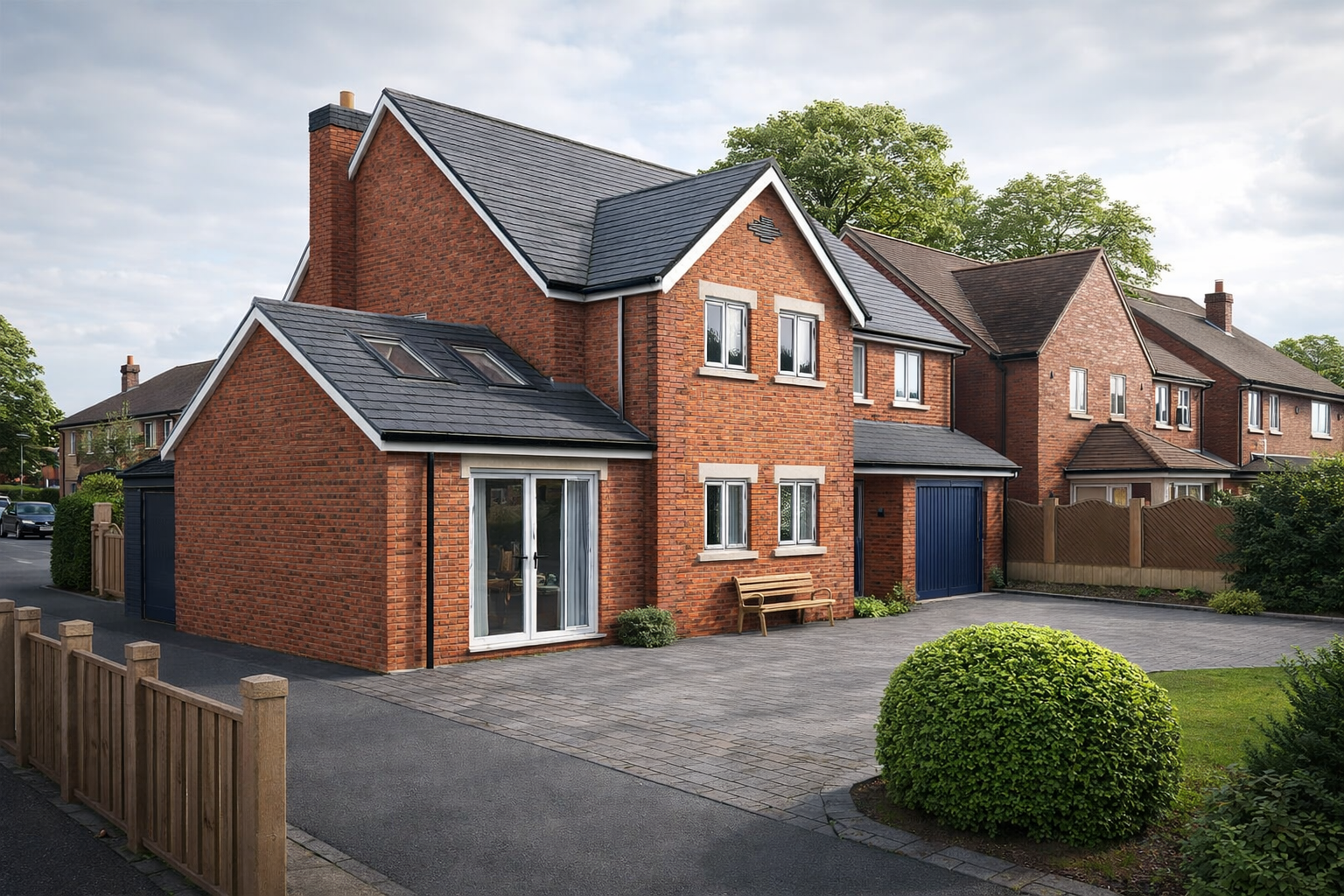
Why Rear Extensions are One of the UK’s Most Popular Home Improvements
For many homeowners, moving house isn’t always the best solution when they need more space. Rising property prices, moving costs, and the disruption of relocating have encouraged thousands of families to improve the homes they already own instead. One of the most effective ways to do that is by building a rear extension.
A well designed rear extension can completely transform how a property is used. Whether you’re dreaming of a spacious kitchen-diner, a brighter family room, a dedicated home office, or an open-plan entertaining space, extending into your garden can unlock the extra square footage your home has been missing.
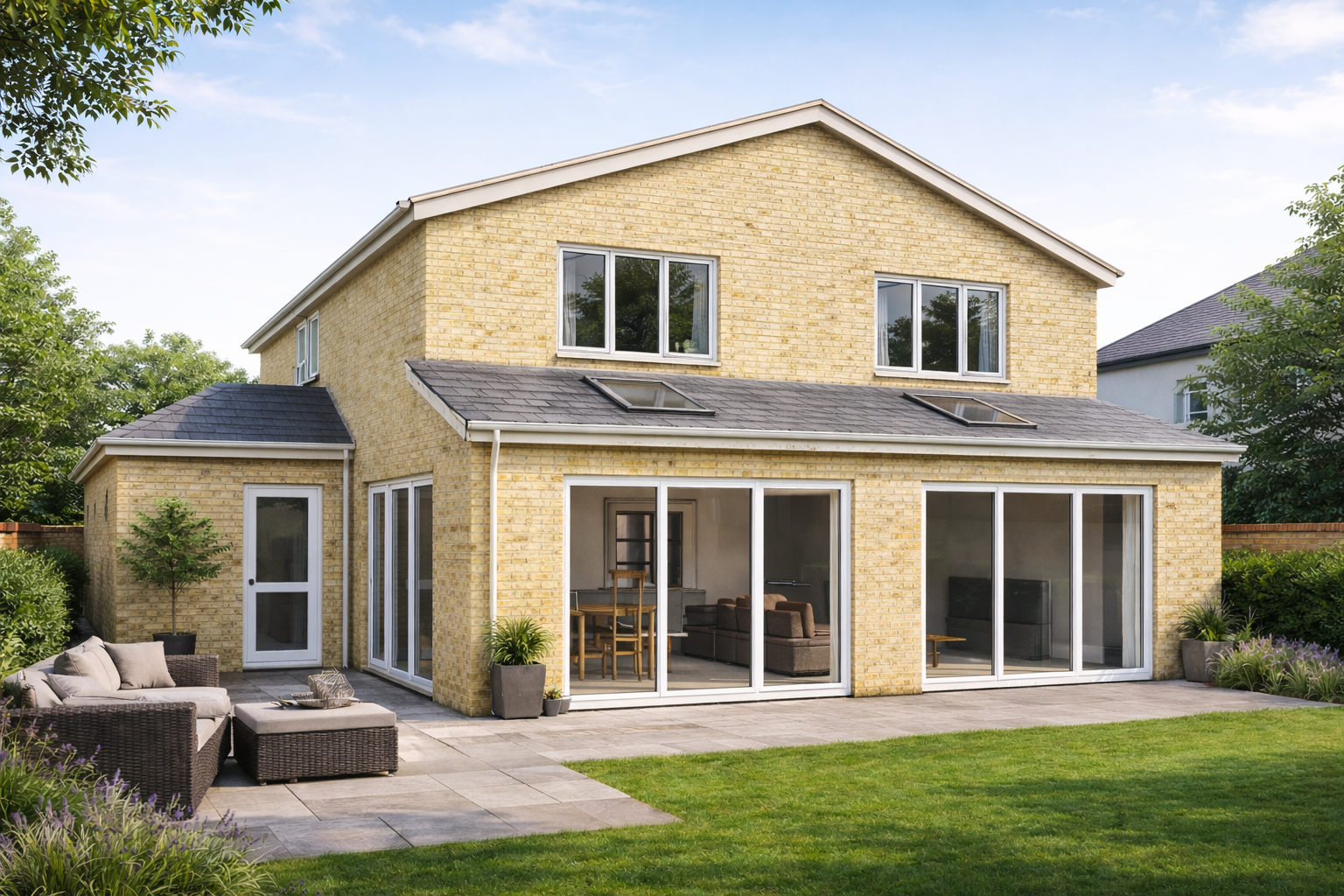
Single Storey Rear Extension (Permitted Development) - HAUSU+ Architects
However, before speaking to an architect or builder, one question almost always comes up:
‘Do I need planning permission?’.
The answer isn’t always straightforward.
Many rear extensions could be built without submitting a full planning application thanks to Permitted Development Rights. These rights allow certain types of home improvements to be carried out automatically, provided they comply with a number of rules relating to size, height, location and design.
While this can save homeowners both time and money, Permitted Development isn’t a blanket approval for every project. The type of property you own, previous extensions, planning conditions attached to your home and even where your property is located can all affect what you’re allowed to build.
This is where many projects run into difficulties. It’s common for homeowners to assume that because a neighbour has built an extension, the same rules will apply to their own property. In reality, two houses on the same street can have completely different planning constraints depending on their history and legal status.
Understanding the rules before work begins can prevent expensive redesigns, planning delays and enforcement issues later. Taking the time to establish what is and isn’t permitted will also help you make informed decisions when discussing your ideas with architects, designers and contractors.
The guide will explain how rear extensions are assessed under current planning legislation, when Permitted Development Rights can be used, the situations where planning permission is still required, and the common mistakes that often catch homeowners out. By the end, you’ll have a much clearer understanding of what’s possible and how to approach your project with confidence.